

Parks
Perry Nature Area
Transformation of East Sioux Falls to Perry Nature Area
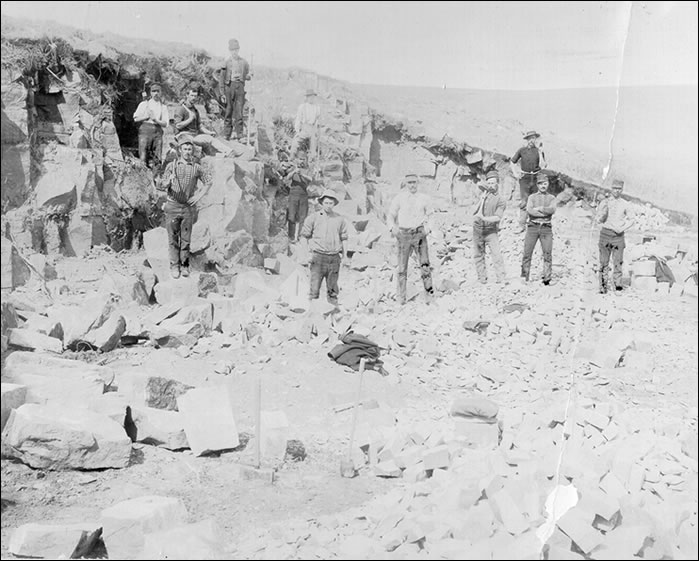
In 1887, C.W. Hubbard and James E. Riley expanded their quarrying operations to Split Rock Township, founding the town of Ives, the predecessor to East Sioux Falls. They soon established the Sioux Falls Granite Company, utilizing the area's readily accessible quartzite, as described in the original text.
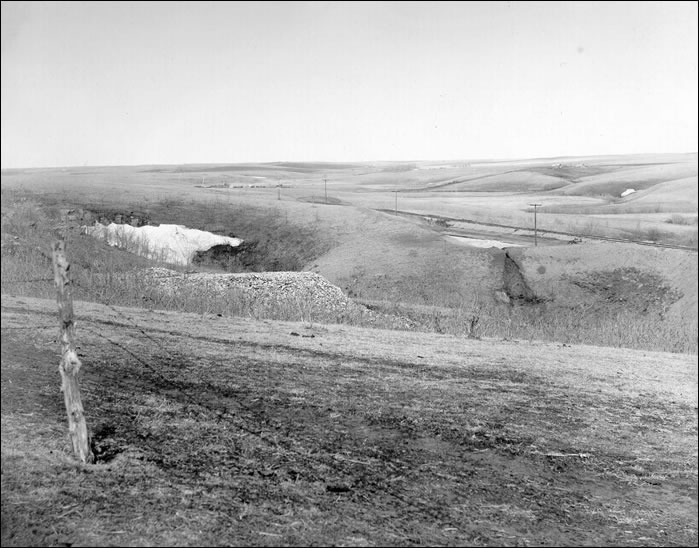
Leveraging existing negotiations with the Illinois Central Railroad, the quarry owners ensured a rail line connected to Ives. By late 1887, a bridge crossed the Big Sioux River, connecting to Sioux Falls, as described in the source document.
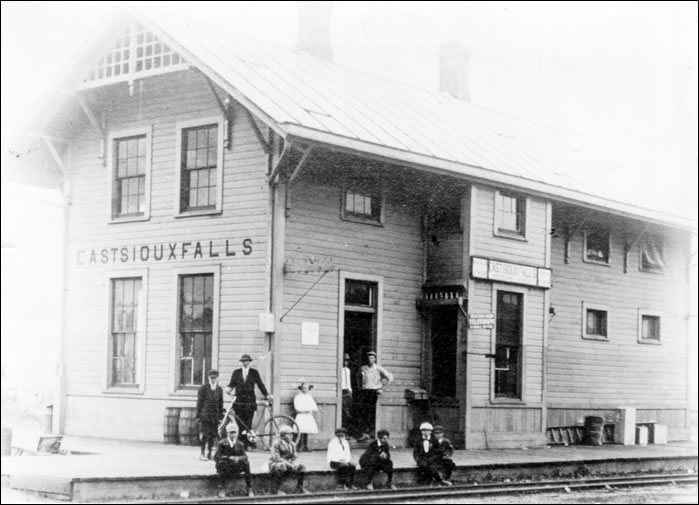
With the 1888 construction of the East Sioux Falls depot, the community grew into a boomtown based on the stone industry. The railway enabled efficient transport of paving and building stone to major markets, as detailed in the original article.
Skilled workers cut quartzite for structures like the Minnehaha County Courthouse, though many suffered from "stone cutter's consumption." By 1890, the incorporated town boasted a population of 620. An electric railway in 1890 connected the quarry area to Sioux Falls before ceasing operations in 1897.
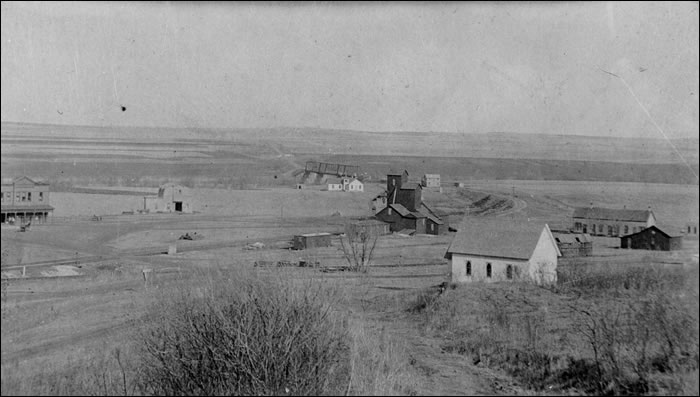
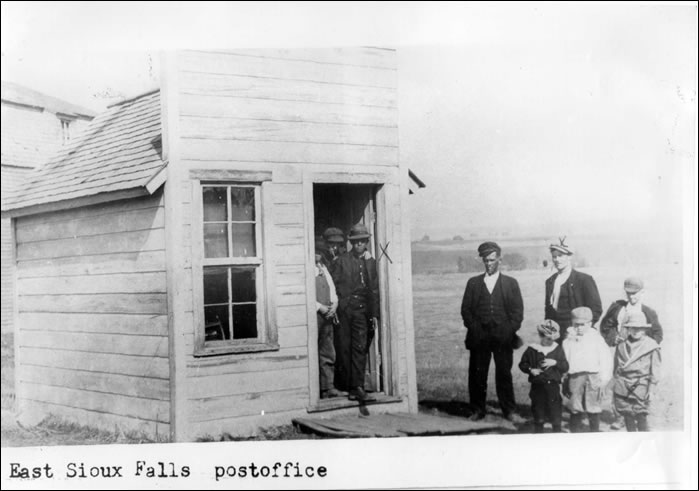
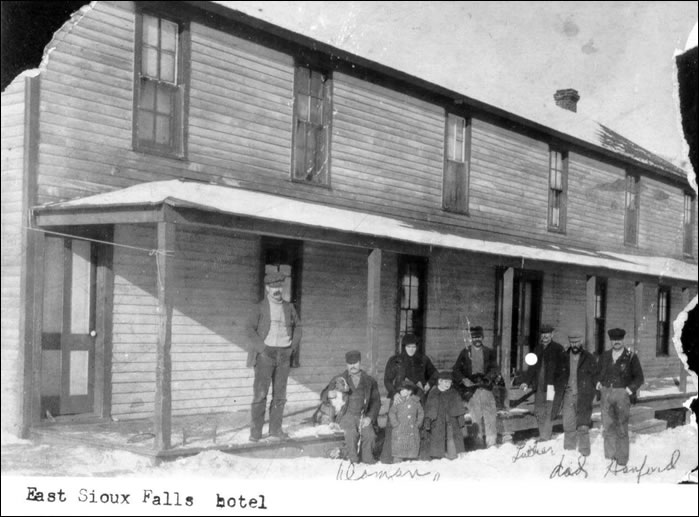
It was 1888 that much of East Sioux Falls was built to accommodate the quarry workers and their families. The accompanying photos display several of the buildings that rose from the prairie during this time. By 1890, East Sioux Falls boasted of hotels, boarding houses, stores, post office, saloon and several houses. The railroad bridge across the Big Sioux River can be seen in the background of the town site photo. According to estimates, East Sioux Falls had reached a population of 620 by this time and residents petitioned for a city charter. Voters cast ballots on August 19, 1890 in favor of incorporation.
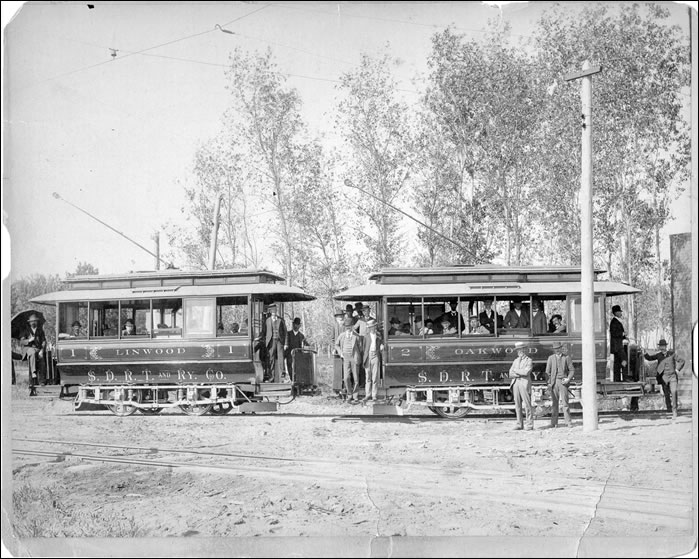
In 1890, the South Dakota Rapid Transit & Railway Company constructed an electric motor line between Sioux Falls and East Sioux Falls. Sioux Falls officials hoped the line would encourage the quarry workers to live in the city and commute out to their jobs, a convenient one-half hour trip each way. Workers rejected this opportunity, opting instead to live near the quarries thereby contributing to the rapid growth of East Sioux Falls. But the motor line did become popular among Sioux Falls residents who traveled to East Sioux Falls to participate in its colorful lifestyle, social events and to visit the “Park” where the beauty of the hills and wooded area along the Big Sioux River was displayed. The motor line ceased operations in 1897.
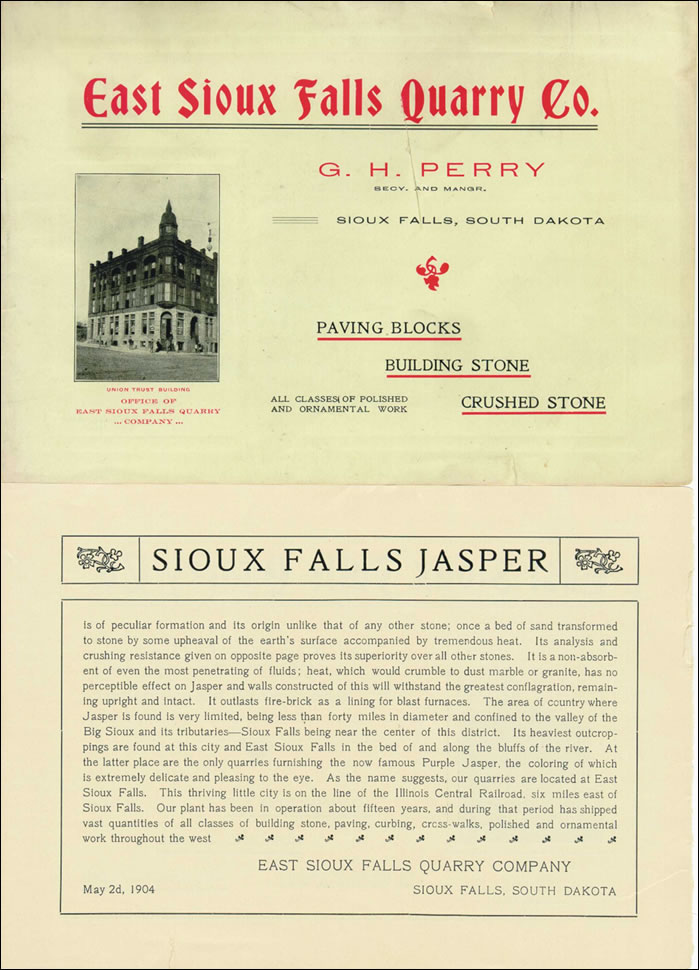
The decline of East Sioux Falls occurred just as suddenly as its birth. The depression of 1893 and a shift away from stone as a building and paving material decreased quartzite production and forced workers to move elsewhere for jobs. The quarry industry struggled to survive and eventually the Sioux Falls Granite Company was forced into bankruptcy. There were several attempts to revive the once thriving quarries, including a new company named the East Sioux Falls Quarry Company managed by G. H. Perry.
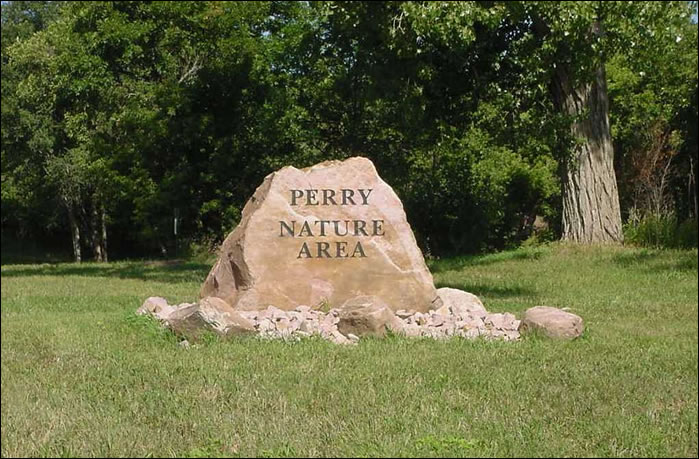
The company ceased business with Perry in control of the quarry lands and the town site of East Sioux Falls. By 1913, only a few residents remained and East Sioux Falls was forced to give up its charter. The town site was in the Perry family for over a century before being donated to Minnehaha County in 1999. The 23-acre site known as Perry Nature Area is a public use area that preserves the natural beauty and historic features of the property.
Historic photos courtesy of Siouxland Heritage Museums.
Where The Sioux River Bends' by Wayne Fanebust includes a detailed history of East Sioux Falls.